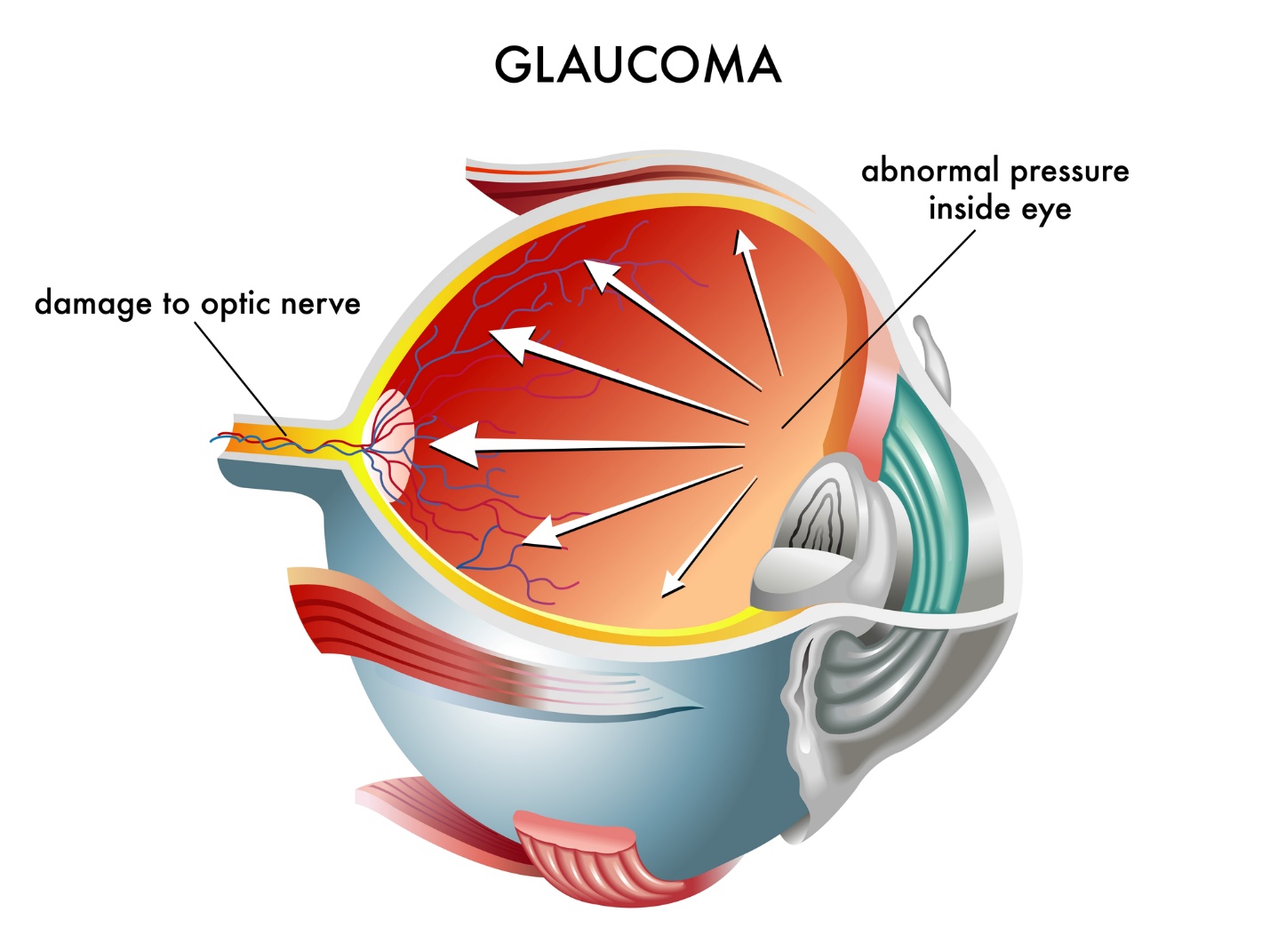
Glaucoma
- Glaucoma Management
- Eye Pressure Monitoring
- Optic Nerve Protection
- Vision Preservation
- Silent Vision Loss
Protect vision. Prevent blindness.
Glaucoma Management:
Preserving Your Vision
Glaucoma is often called the “silent thief of sight” because it can cause irreversible vision loss without obvious symptoms in the early stages. Many patients first notice subtle changes such as blurry vision or tunnel vision, which occur as glaucoma damages the optic nerve over time.
Without proper ongoing eye care, increased eye pressure can gradually reduce peripheral vision and lead to permanent vision loss over time. Early detection and continued monitoring play a critical role in preserving eyesight and protecting long-term visual health. Consistent care allows providers to identify changes early, adjust treatment when needed, and help patients feel confident in their day-to-day vision and overall eye health.
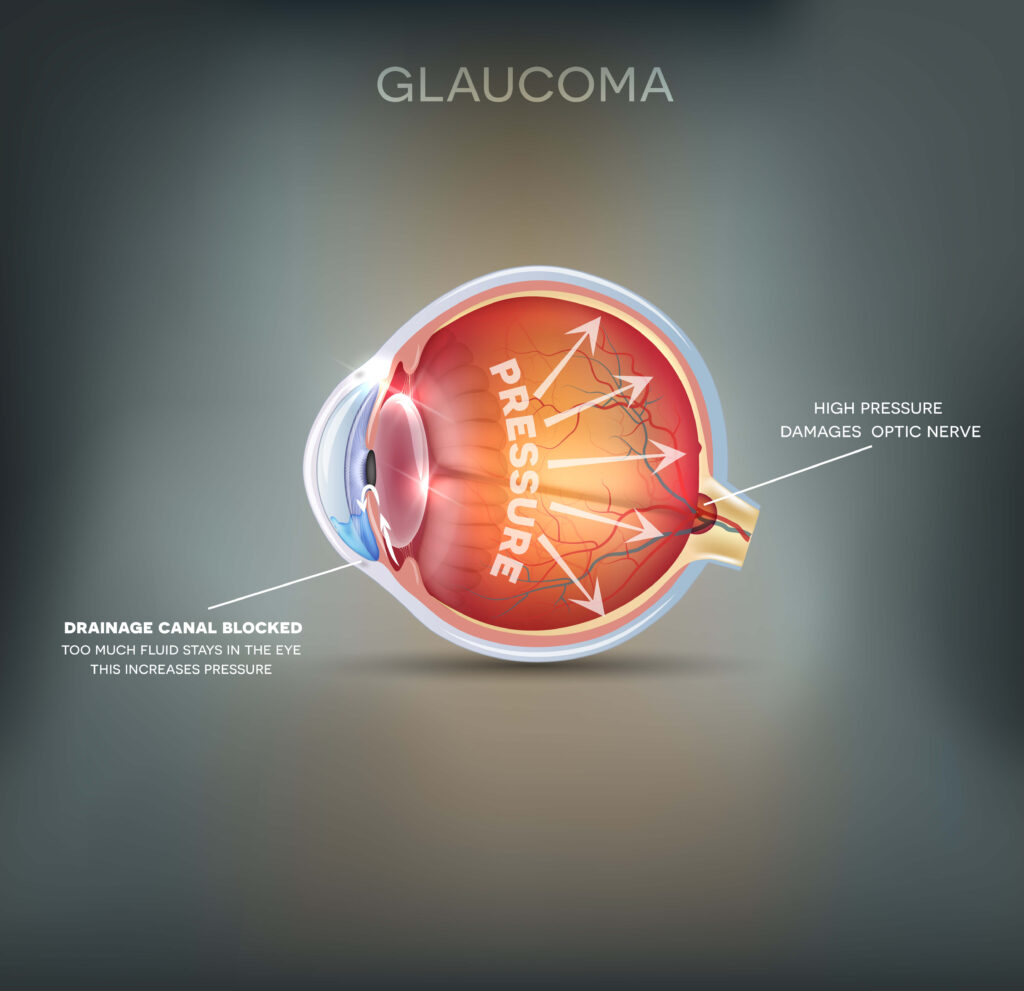
What is Glaucoma?
This condition is a group of eye diseases that damage the optic nerve and often cause gradual vision changes such as changes in visual sharpness, and loss of peripheral vision. In most cases, this damage is linked to increased pressure inside the eye, though glaucoma can sometimes occur even when eye pressure is normal.
Many people with this condition do not notice symptoms at first. Over time, they may have tunnel vision, making it difficult to see objects to the side, or unclear vision that worsens gradually without pain.
Vision changes caused by this condition often interfere with daily activities such as driving, reading, and navigating unfamiliar environments. As peripheral vision narrows, patients may not notice objects approaching from the side, increasing safety risks. Changes can occur slowly, which is why routine eye exams play a critical role in detecting problems before vision loss becomes noticeable. Identifying changes early allows eye care specialists to monitor eye health closely and recommend appropriate treatment plans.
Early Detection Saves Sight
Because this condition often develops without noticeable symptoms, regular comprehensive eye exams are especially important for maintaining long-term eye health. This is particularly true for individuals with risk factors such as a family history of eye disease, being over the age of 60, or managing medical conditions like diabetes or high blood pressure. When changes do occur, they may present subtly, such as reduced awareness of side vision or unexplained changes in visual clarity, and should never be overlooked.
With the use of advanced diagnostic tools, Dr. Belgrave is able to identify even minor changes in eye health, allowing concerns to be addressed at the earliest and most manageable stages. Early identification makes it possible to begin appropriate care before lasting damage occurs, helping to preserve vision over time.
Even mild changes in eyesight can affect daily life in meaningful ways. Activities such as driving at night, reading smaller print, recognizing faces from a distance, or navigating unfamiliar environments may gradually become more difficult. Because these changes often happen slowly, many people dismiss them as a normal part of aging rather than a signal to seek evaluation.
Routine eye evaluations allow care providers to monitor eye health over time, identify potential concerns early, and recommend appropriate next steps when needed. Taking a proactive approach to eye care supports long-term visual comfort, personal safety, and independence throughout every stage of life.
Personalized Treatment Plans
If glaucoma is detected, the goal is to protect your remaining vision and slow or stop further damage. Treatment may include prescription eye drops, lifestyle adjustments, and regular monitoring to ensure your eye pressure stays within a safe range. Dr. Belgrave tailors each plan to fit your individual needs and health profile, offering consistent care and clear communication every step of the way.
Treatment focuses on lowering eye pressure to slow or stop vision loss. By addressing early symptoms like unclear vision and changes in peripheral vision, personalized care helps preserve long-term eyesight.
Ongoing care is designed to adapt as needs change over time. Follow-up visits help ensure that progress is being monitored and that any adjustments are made thoughtfully. This approach allows care to remain responsive rather than reactive, supporting stability and long-term confidence. Patients are encouraged to ask questions and stay informed, creating a collaborative experience that prioritizes comfort, understanding, and continuity.
Why Trust Your Glaucoma Care to Dr. Belgrave?
Patients experiencing symptoms such as blurry vision or tunnel vision trust Dr. Belgrave for advanced glaucoma diagnosis and long-term management.
As a Top VA Doctor for three consecutive years, Dr. Belgrave is trusted by both patients and peers for his exceptional care and commitment to preserving vision. With his proactive approach and dedication to patient education, you’ll not only receive expert care — you’ll understand every option available to you.
Patients appreciate a care experience that feels thorough, transparent, and supportive. Taking time to explain findings and next steps helps reduce uncertainty and builds trust throughout the process. A consistent, patient-focused approach ensures individuals feel heard and respected, while ongoing guidance reinforces confidence in decisions made about eye health and long-term care planning.
Protect What Matters Most
Glaucoma doesn’t have to steal your sight. If you are experiencing blurry vision, tunnel vision, or gradual vision loss, early evaluation is critical. Patients trust Dr. Belgrave for comprehensive care because he focuses on early detection, personalized treatment, and long-term vision preservation. Schedule your evaluation today and discover why so many patients confidently place their eye health in his care. Learn more about how we manage related eye pressure issues, such as ocular hypertension, to help protect vision long-term.
Some common warning signs that may indicate changes in eye health include:
Changes in visual clarity, such as vision that appears less sharp or slightly out of focus
Reduced awareness of side vision, including difficulty noticing objects to the left or right
Difficulty seeing at night, especially while driving or adjusting to low-light environments
Trouble reading fine print, even with proper lighting or corrective lenses
Challenges recognizing faces or navigating unfamiliar spaces, particularly at a distance
If you are experiencing any of these warning signs, or notice vision changes that feel unusual or persistent, it’s important to contact the office for a comprehensive eye evaluation. Early assessment allows concerns to be identified promptly and helps protect long-term vision, safety, and quality of life.