Bloodshot Eyes: Causes, Treatment & When to See an Eye Doctor

Waking up and discovering bloodshot eyes can be alarming. Whether you notice a small red patch or widespread redness across the whites of your eyes, bloodshot eyes are one of the most common eye symptoms experienced by Americans. While bloodshot eyes are often caused by irritation, allergies, dry eye syndrome, or lack of sleep, they can sometimes signal a more serious eye condition that requires professional care.
According to the CDC, millions of Americans experience eye irritation each year, making bloodshot eyes one of the most frequently searched eye health concerns online. The good news is that most causes of bloodshot eyes are easily treatable. However, understanding what is causing your symptoms and knowing when to seek professional care can help protect your vision and overall eye health.
Why Bloodshot Eyes Happen?
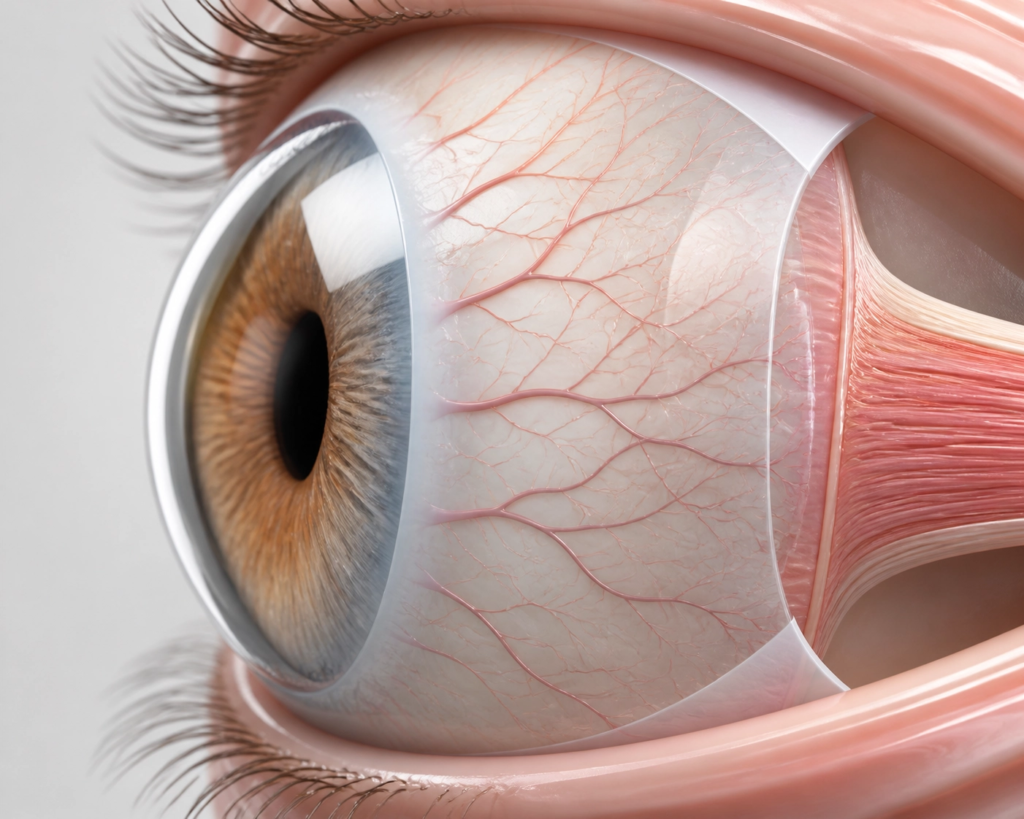
To understand why bloodshot eyes develop, it helps to understand what is happening beneath the surface of the eye. The white part of your eye, known as the sclera, is covered by a thin, transparent membrane called the conjunctiva. This tissue contains thousands of tiny blood vessels that are normally difficult to see.
When the eye becomes irritated, inflamed, infected, or excessively dry, these blood vessels expand and become more visible. The result is the appearance of bloodshot eyes. Think of it like a garden hose. When water pressure increases, the hose becomes more noticeable. Similarly, when blood flow increases in these tiny vessels, the eye appears red.
Common Culprits: Why Are My Eyes Always Red?
There are dozens of reasons why bloodshot eyes occur, ranging from temporary irritation to underlying medical conditions. Here are some of the most common causes.
1. Digital Eye Strain (The “Computer Eye”)
If you spend eight hours a day staring at a laptop and the rest of your evening scrolling through your phone, your eyes are working overtime. We tend to blink about 66% less than normal when looking at screens. This dries out the eye’s surface, leading to irritation, dryness, and bloodshot eyes. If your eyes feel tired, strained, or uncomfortable after computer work, digital eye strain is likely the culprit.
2. Seasonal Allergies in Virginia
In areas such as Suffolk and Franklin, Virginia, seasonal allergies are a common cause of bloodshot eyes. Pollen, dust, pet dander, and other allergens can trigger the release of histamines, causing inflammation, swelling, itching, tearing, and redness. If your bloodshot eyes are also itchy and watery, allergies are often the prime suspect.
During peak allergy seasons, many people notice their symptoms worsen when spending time outdoors or around known allergens. Managing allergy triggers and using appropriate treatments can often help reduce bloodshot eyes and improve overall comfort.
3. Dry Eye Syndrome
More than 16 million Americans have been diagnosed with dry eye disease, according to the National Eye Institute. When your eyes do not produce enough quality tears to stay properly lubricated, the surface of the eye can become chronically inflamed. This often leads to bloodshot eyes, burning, irritation, and the feeling that something gritty or sandy is stuck in your eye.
4. Pink Eye (Conjunctivitis)
Pink eye is an inflammation or infection of the conjunctiva, the thin membrane covering the white part of the eye. It can be caused by viruses, bacteria, allergies, or irritants. Viral and bacterial conjunctivitis can be highly contagious and often cause bloodshot eyes, discharge, tearing, and crusting around the eyelids, especially in the morning. If symptoms persist or worsen, a professional eye examination can help determine the cause and appropriate treatment.
5. Subconjunctival Hemorrhage (The “Burst Vessel”)
This is one of the most alarming causes of bloodshot eyes, but it is often one of the least serious. A subconjunctival hemorrhage is essentially a bruise on the eye. If you sneeze forcefully, lift something heavy, cough hard, or rub your eye aggressively, a tiny blood vessel can break beneath the surface. The result is a bright red patch on the white of the eye. While it may look dramatic, it typically does not cause pain, affect vision, or require treatment. Most cases clear on their own within one to two weeks.
Is It Serious? When to See an Eye Doctor
While many cases of red eyes go away with a little rest, some symptoms require immediate professional attention. You should call an eye doctor in While many cases of bloodshot eyes improve with rest, artificial tears, or time, some symptoms require immediate professional attention. If your redness is accompanied by pain, vision changes, or other concerning symptoms, it is important to see an eye doctor as soon as possible.
You should contact an eye doctor right away if your symptoms include:
- Sudden blurry vision
- Significant vision loss
- Severe eye pain
- Extreme light sensitivity
- Seeing halos around lights
- Nausea or vomiting
- Eye injury or trauma
- Thick discharge
- Persistent redness that does not improve
These symptoms may indicate a more serious condition such as glaucoma, a corneal infection, uveitis, retinal disease, or another sight-threatening eye problem. Early diagnosis and treatment can often prevent permanent vision loss.
If you are experiencing persistent eye redness, eye pain, changes in vision, or other concerning symptoms, it is important to schedule an evaluation with an experienced eye doctor as soon as possible. The sooner the underlying cause is identified, the sooner appropriate treatment can begin.
So who should you trust when it comes to protecting something as important as your vision?
Dr. Claude Belgrave Jr.
Dr. Belgrave is a Harvard-trained ophthalmologist who graduated in the top 10% of his class and completed his residency at the prestigious Mount Sinai Medical Center. With more than 200 Google reviews and a 4.9-star average rating, he has earned a reputation for clinical excellence, compassionate care, and outstanding patient outcomes. Whether your symptoms are caused by allergies, dry eye syndrome, an infection, glaucoma, or another underlying eye condition, Dr. Belgrave has the expertise to accurately diagnose the problem and recommend the most effective treatment options.
When it comes to your eyesight, getting answers from an experienced eye doctor can provide peace of mind and help protect your vision for years to come.
Simple At-Home Fixes for Bloodshot Eyes
If your bloodshot eyes are mild and not accompanied by pain, vision changes, or severe symptoms, several simple measures may help relieve discomfort.
- The 20-20-20 Rule: To fight digital strain, every 20 minutes, look at something 20 feet away for 20 seconds. It gives your eye muscles a much-needed break.
- Cool Compresses: Soak a clean washcloth in cold water and rest it over your closed eyes for 5-10 minutes. This helps constrict those swollen blood vessels.
- Artificial Tears: Use preservative-free lubricating drops to keep the surface of your eye moist.
- Stay Hydrated: Dehydration can contribute to dry eye symptoms and bloodshot eyes. Drinking adequate water throughout the day helps support healthy tear production.
- Give Contact Lenses a Break: If you wear lenses, take them out and wear your glasses for a day or two. Overwearing contacts is a major cause of redness and can lead to dangerous corneal ulcers.
Speaking of glasses, if your current pair isn’t cutting it, we provide in-house eyeglass prescriptions and even same-day contact lens prescriptions to get you seeing clearly and comfortably again.
Why Choose Ophthalmology Associates?
When it comes to your vision, you deserve the best. We pride ourselves on being more than just a clinic, we are a part of the Suffolk and Franklin communities.
- Expert Pedigree: Dr. Belgrave’s Harvard and Mount Sinai training means you’re getting world-class care right here in Virginia.
- Accessible Care: We accept 95%+ of insurance plans, including Aetna, Medicare, and Medicaid. We believe high-quality eye care should be accessible to everyone.
- Comprehensive Service: We treat the whole family, from pediatric exams for the kids to advanced surgical consultations for seniors.
- Convenience: Need to book at 2 AM? Our AI assistant, Devon, is available on our website 24/7 to help you schedule an appointment or answer basic educational questions (just remember, Devon can’t text or give medical advice!).

Frequently Asked Questions
Does screen time damage my eyes?
Probably not in the way you’re thinking.
While staring at a screen doesn’t usually cause permanent damage to your eyes, it can cause significant digital eye strain. If you spend your workday on a computer and your evenings scrolling on your phone, your eyes may feel dry, tired, irritated, or even look bloodshot.
One reason is that we tend to blink about 66% less than normal when looking at screens. Less blinking means less moisture on the surface of the eye, which can lead to dryness, redness, and discomfort.
The good news? Simple habits like following the 20-20-20 Rule, taking regular breaks, and making sure your prescription is up to date can make a big difference.
Can an eye exam detect other health problems?
Absolutely. In fact, your eyes may reveal more about your overall health than you realize.
According to the American Optometric Association, a comprehensive eye exam can help detect early signs of more than 270 systemic and chronic diseases, including diabetes, high blood pressure, autoimmune disorders, certain cancers, and many other health conditions.
That’s one of the reasons eye doctors often say they are looking at more than your vision. During an eye exam, we’re also looking for clues about your overall health. In some cases, patients learn about a serious medical condition during a routine eye exam before they experience symptoms anywhere else in their body.
So even if you think your eyesight is “just fine,” regular eye exams can play an important role in protecting both your vision and your overall health.
Are eye “redness relief” drops safe?
Be careful with drops that promise to “get the red out.”
These drops work by temporarily shrinking the blood vessels in your eyes, which makes the redness disappear for a little while. The problem is that if you use them too often, your eyes can actually become even redder once the drops wear off. Eye doctors call this “rebound redness.”
Occasional use is usually fine, but if you’re reaching for redness-relief drops every day, it’s a good idea to find out what’s causing the problem in the first place. Dry eye syndrome, allergies, contact lenses, and other conditions often require a different approach.
Can bloodshot eyes go away on their own?
Many times, yes.
If your bloodshot eyes are caused by lack of sleep, digital eye strain, mild irritation, or seasonal allergies, they may improve within a few hours or a few days with rest and proper eye care.
However, if the redness doesn’t go away, keeps coming back, or is accompanied by symptoms such as eye pain, blurry vision, light sensitivity, discharge, or sudden changes in vision, it’s time to schedule an appointment with an eye doctor.
When it comes to your vision, it’s always better to be safe than sorry.
Your Path to Clearer Vision
Bloodshot eyes are common, but they should never be ignored when symptoms persist or worsen. Whether your eye redness is caused by allergies, dry eye syndrome, digital eye strain, contact lens irritation, or an underlying eye condition, identifying the root cause is the first step toward lasting relief.
At Ophthalmology Associates, Dr. Claude Belgrave Jr. provides comprehensive medical and surgical eye care for both adults and children ages four and older. As one of the few ophthalmologists in the area who sees both pediatric and adult patients, Dr. Belgrave helps families conveniently receive expert eye care in one practice.
From routine eye exams and dry eye treatment to cataract evaluations, glaucoma management, diabetic eye care, and complex ophthalmic conditions, Ophthalmology Associates is committed to helping patients protect and preserve their vision at every stage of life.
Our offices are conveniently located in Suffolk, Virginia and Franklin, Virginia.
If your bloodshot eyes are affecting your comfort, vision, or quality of life, don’t wait for the problem to get worse. Early diagnosis and treatment can often provide faster relief and help prevent more serious complications down the road.
Ready to see clearly again?
- Call us: 757-964-4EYE (4393)
- Online: Use the microphone icon on our website to book your appointment 24/7.
- Visit us: Convenient locations in Suffolk, VA and Franklin, VA.
#EyeHealth #RedEyes #SuffolkVA #FranklinVA #Ophthalmology #DrClaudeBelgrave #EyeCareTips #VisionHealth #ClearerVisionStartsHere